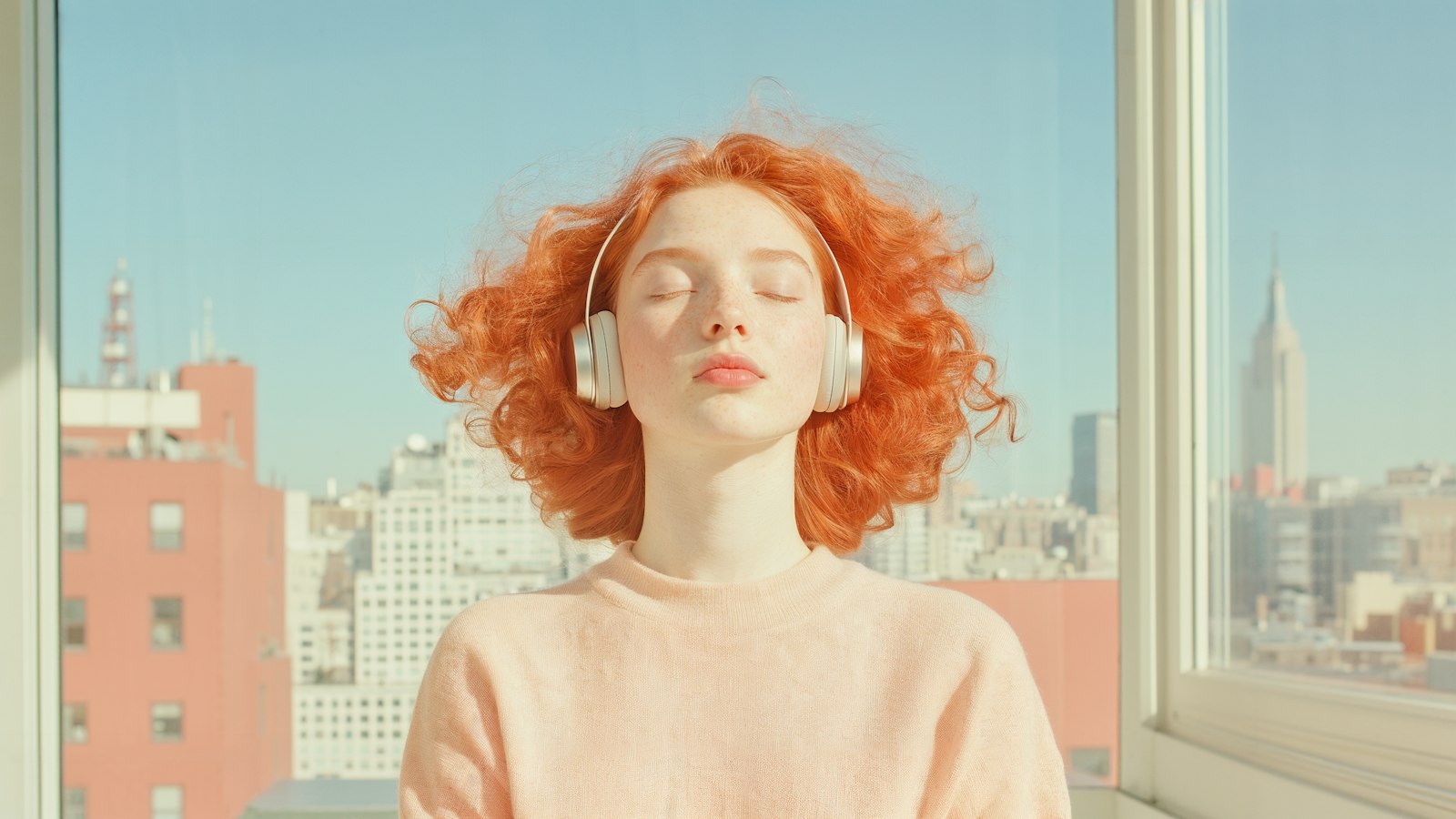
The Science of Sleep and Mental Health
Sleep and mood affect each other in both directions. Here is how much sleep adults need, which sleep habits have real evidence, and why CBT-I is first-line for insomnia.

The short answer
Sleep and mental health influence each other in both directions: short sleep worsens mood and stress reactivity, and anxiety or depression disrupt sleep. The CDC recommends adults get 7 or more hours per night. For chronic insomnia, cognitive behavioral therapy for insomnia is recommended before sleep medication.
Key takeaways
- The CDC recommends that adults get 7 or more hours of sleep per night on a regular basis, and teens need 8 to 10 hours.
- Sleep and mental health form a two-way loop, so treating the sleep problem directly alongside a mood or anxiety condition usually improves both.
- The National Heart, Lung, and Blood Institute links ongoing sleep deficiency to depression as well as heart disease, high blood pressure, stroke, diabetes, and obesity.
- A consistent wake time, morning daylight, limiting caffeine and alcohol, and a cool dark bedroom are the sleep habits with the strongest support.
- Cognitive behavioral therapy for insomnia is recommended as the first treatment to try for chronic insomnia, ahead of sleeping medication, and its benefits tend to outlast the program.
- Sleep hygiene alone is generally not enough to resolve insomnia that has already become chronic.
- Feeling exhausted despite enough hours in bed, loud snoring, or waking up gasping points toward a sleep disorder such as sleep apnea and needs medical assessment.
- If sleep problems come with hopelessness or thoughts of suicide, call or text 988, text HOME to 741741, or call 911 in an emergency.
Sleep is not downtime. While you rest, your brain consolidates memories, clears metabolic waste, and regulates the systems that shape mood and stress response. When sleep suffers, mental health usually follows, and the reverse is also true.
That makes sleep one of the most practical levers available for your mind. It is also one of the most commonly ignored, partly because the advice around it has been diluted by a lot of low-evidence tips. This article separates what is well established from what is not.
How does sleep affect mental health?
Short or poor-quality sleep makes you more reactive to stress, less able to regulate emotion, and more prone to low mood and anxiety. The National Heart, Lung, and Blood Institute (NHLBI) notes that sleep deficiency is linked to a range of health problems, including depression, along with heart disease, high blood pressure, stroke, diabetes, and obesity.
The mechanisms are physical. Sleep loss affects the brain circuits that dampen emotional reactions, so the same event provokes a larger response. It degrades attention and working memory, which makes problems feel less solvable. And it disrupts the hormonal rhythms that govern appetite, alertness, and stress.
None of this means poor sleep causes mental illness on its own. It means sleep is a substantial modifier of how well you cope, and it is one you can act on.
Why is sleep and mental health a two-way street?
Each one worsens the other, which is what makes the loop so hard to break from either side alone. Poor sleep raises anxiety and lowers mood; anxiety and low mood then make it harder to fall and stay asleep.
Sleep problems appear in most mental health conditions. Insomnia is a common feature of depression and anxiety disorders. Early-morning waking and sleeping far more than usual can both accompany depression. Racing thoughts at bedtime are a familiar feature of anxiety.
The clinically important point is that sleep is not simply a symptom that resolves once the mood problem is treated. Treating the sleep problem directly, alongside treatment for the mood or anxiety condition, is now standard practice, because improving sleep tends to improve the other symptoms too.
How much sleep do adults actually need?
The CDC recommends that adults get 7 or more hours of sleep per night on a regular basis. That figure is well established, and most adults who feel chronically unrested are below it rather than above it.
Needs vary by age, and the CDC publishes recommendations across the lifespan.
| Age group | Recommended sleep per 24 hours |
|---|---|
| Teens (13 to 18 years) | 8 to 10 hours |
| Adults (18 to 60 years) | 7 or more hours |
| Adults 61 to 64 years | 7 to 9 hours |
| Adults 65 and older | 7 to 8 hours |
Quality matters alongside quantity. Reasonable markers of good sleep are falling asleep within roughly 20 minutes, staying asleep for most of the night, and waking without feeling you need several hours more. If you regularly spend 8 hours in bed and still feel wrecked, the issue is more likely quality or an underlying disorder than duration.
What happens when you consistently sleep too little?
The effects appear quickly in mood and thinking, and more slowly in physical health. Within a night or two of short sleep, most people notice irritability, worse concentration, slower reactions, and a lower tolerance for frustration.
Over the longer term, NHLBI links ongoing sleep deficiency to increased risk of heart disease, high blood pressure, stroke, kidney disease, type 2 diabetes, obesity, and depression. Sleep deficiency also impairs driving, and drowsy driving is a genuine safety risk.
One important nuance: you cannot reliably judge your own impairment when sleep-deprived. People consistently rate themselves as functioning better than objective testing shows, which is part of why chronic short sleep persists.
Which sleep hygiene habits actually have evidence?
A consistent schedule, morning light, a cool dark bedroom, and limiting caffeine and alcohol are the habits with the best support. Much of the rest of what circulates as sleep advice is plausible but weakly evidenced, and none of it substitutes for treatment when insomnia has become chronic.
| Habit | How well supported | What to actually do |
|---|---|---|
| Consistent wake time | Strong | Get up at the same time daily, including weekends; this anchors your body clock more than bedtime does |
| Morning daylight | Good | Get outside within an hour or so of waking, even on a cloudy day |
| Limiting caffeine | Good | Avoid it in the second half of the day; caffeine has a long half-life and effects outlast the alertness |
| Limiting alcohol near bedtime | Good | Alcohol shortens time to sleep but fragments the second half of the night |
| Cool, dark, quiet bedroom | Good | Block light, reduce noise, keep the room on the cool side |
| Bed for sleep only | Good, and a core part of CBT-I | If you are awake and frustrated after about 20 minutes, get up and do something dull in dim light |
| Regular physical activity | Good | Any consistent activity helps; the Physical Activity Guidelines for Americans recommend 150 minutes a week for adults |
| Avoiding screens before bed | Mixed | The content and the alerting effect probably matter more than the blue light itself |
| Sleep tracking devices | Weak for improving sleep | They can raise anxiety about sleep; treat the numbers loosely |
| Supplements marketed for sleep | Variable and often weak | Talk to your doctor or pharmacist before starting anything, including melatonin |
One more point that gets lost: sleep hygiene alone is generally not enough to fix chronic insomnia. It works as prevention and as maintenance, not as treatment for a problem that has already taken hold.
What is CBT-I, and why is it the first-line treatment for insomnia?
Cognitive behavioral therapy for insomnia (CBT-I) is a structured, short-term program that changes the behaviors and thoughts keeping you awake, and it is recommended as the first treatment to try for chronic insomnia before sleeping medications. NHLBI describes cognitive behavioral therapy as an effective first approach for chronic insomnia.
It is favored over medication because its benefits tend to last after the program ends, whereas sleep medications generally work while you take them and carry risks including next-day drowsiness, dependence, and interactions. CBT-I typically runs for around six to eight sessions, and can be delivered in person, by telehealth, or through structured digital programs.
The main components:
- Stimulus control. Rebuilding the association between your bed and sleep, by getting out of bed when you are awake and frustrated and returning only when sleepy.
- Sleep restriction. Temporarily narrowing your time in bed to match the sleep you are actually getting, which increases sleep pressure and consolidates fragmented sleep. This is done with a clinician, because it makes things briefly harder before better.
- Cognitive work. Addressing the catastrophic thinking about sleeplessness that itself keeps you awake, such as rehearsing how ruined tomorrow will be.
- Relaxation training. Slow breathing or progressive muscle relaxation to reduce the physical arousal that blocks sleep onset.
- Sleep hygiene education. The habits above, used as support rather than as the whole treatment.
Ask your primary care provider for a referral, or ask whether your insurance covers a digital CBT-I program. Availability of in-person providers is limited in many areas, and telehealth has widened access considerably.
When is it insomnia, and when is it something else?
If you sleep enough hours but never feel rested, the problem is more likely a sleep disorder such as sleep apnea than insufficient time in bed. Different sleep problems have different treatments, so the distinction is worth making.
| Pattern | What it may indicate | Next step |
|---|---|---|
| Trouble falling or staying asleep at least three nights a week for three months or more | Chronic insomnia | Ask your doctor about CBT-I |
| Loud snoring, gasping or choking at night, unrefreshing sleep, daytime sleepiness | Possible obstructive sleep apnea | See a doctor; apnea is common, treatable, and easy to miss |
| Sleeping fine but at the wrong times, such as unable to sleep before 3 a.m. | Circadian rhythm disorder or shift-work effects | Discuss light timing and schedule with a clinician |
| Uncomfortable urge to move the legs at rest, relieved by moving | Possible restless legs syndrome | Medical evaluation, including checking iron status |
| Early-morning waking with low mood, loss of interest, or hopelessness | Possible depression | Talk to a clinician about both mood and sleep |
| Racing thoughts and physical tension at bedtime, worry about the next day | Anxiety-related sleep difficulty | Treat both; CBT approaches address both |
What can you do tonight if you cannot sleep?
Get out of bed rather than lying there trying harder. Lying awake and frustrated teaches your brain that bed is a place for wakefulness, which is the exact association CBT-I works to undo.
- Get up after roughly 20 minutes of frustrated wakefulness, keep the lights low, and do something undemanding until you feel sleepy.
- Do not check the clock repeatedly; turn it away from you.
- Slow your breathing, letting the out-breath run longer than the in-breath.
- Keep your wake time fixed the next morning, even after a bad night. This is the single most useful thing you can do, and sleeping in perpetuates the cycle.
- Skip or shorten naps, and keep any nap early and under 30 minutes.
- If you are running a sleep debt, add sleep by going to bed a little earlier rather than by staying in bed later.
When should you see a doctor about sleep?
See a doctor if sleep problems have lasted more than a few weeks, if they are affecting your mood, work, or safety, or if you feel exhausted despite spending enough time in bed. Sleep complaints are a legitimate reason for an appointment, not something to apologize for.
Make an appointment sooner if you snore loudly and wake gasping, if you fall asleep unintentionally during the day, if you feel sleepy while driving, if you act out dreams physically, or if low mood or anxiety accompanies the sleep problem.
Get help immediately if you are thinking about suicide or cannot keep yourself safe. In the United States, call or text 988 to reach the Suicide and Crisis Lifeline, free and confidential, 24 hours a day, or chat at 988lifeline.org. You can also text HOME to 741741 for the Crisis Text Line, and call 911 or go to the nearest emergency room if you or someone else is in immediate danger. Severe insomnia alongside hopelessness deserves urgent attention rather than another week of waiting.
Common questions
- How many hours of sleep do adults really need?
- The CDC recommends that adults get 7 or more hours of sleep per night on a regular basis. Teens aged 13 to 18 need 8 to 10 hours. Quality counts alongside quantity: falling asleep within roughly 20 minutes, staying asleep most of the night, and waking without feeling you need several more hours are reasonable markers.
- Can lack of sleep cause anxiety and depression?
- Short or poor-quality sleep makes people more reactive to stress and more prone to low mood and anxiety, and the National Heart, Lung, and Blood Institute links sleep deficiency to depression. The relationship runs both ways rather than in one direction, so poor sleep is best understood as a substantial contributor rather than a sole cause.
- What is CBT-I and does it work better than sleeping pills?
- CBT-I is cognitive behavioral therapy for insomnia, a structured short-term program using stimulus control, sleep restriction, cognitive work, and relaxation. It is recommended as the first treatment for chronic insomnia ahead of medication, mainly because its benefits tend to persist after the program ends, while medications generally work only while taken.
- What should I do when I cannot fall asleep?
- Get out of bed after roughly 20 minutes of frustrated wakefulness, keep the lights low, and do something undemanding until you feel sleepy. Do not watch the clock. Most importantly, keep your usual wake time the next morning rather than sleeping in, because a fixed wake time anchors your body clock and rebuilds sleep pressure.
- Does sleep hygiene actually work for insomnia?
- Sleep hygiene helps prevent sleep problems and supports treatment, but on its own it is generally not enough to resolve chronic insomnia. The habits with the best evidence are a consistent wake time, morning daylight, limiting caffeine and alcohol, and a cool dark bedroom. For entrenched insomnia, ask your doctor about CBT-I.
- Why am I still tired after 8 hours of sleep?
- If you spend enough time in bed and still wake unrefreshed, the likely issue is sleep quality rather than duration. Obstructive sleep apnea is a common and treatable cause, especially alongside loud snoring, gasping at night, or daytime sleepiness. Depression, anemia, thyroid problems, and medications can also cause it, so see a doctor.
- Is it bad to use my phone before bed?
- The evidence here is mixed, and the alerting effect of the content probably matters more than the blue light itself. A tense email or an argument online raises arousal in a way that delays sleep regardless of screen settings. If you use a device late, favor something dull, and keep the same wake time regardless.
Sources
Published research and guidance this page draws on. Check the original where a detail matters to you.
- 1About SleepCenters for Disease Control and Prevention
- 2Sleep Deprivation and DeficiencyNational Heart, Lung, and Blood Institute
- 3InsomniaNational Heart, Lung, and Blood Institute
- 4Sleep ApneaNational Heart, Lung, and Blood Institute
- 5Healthy SleepMedlinePlus, National Library of Medicine
- 6InsomniaMedlinePlus, National Library of Medicine
- 7Caring for Your Mental HealthNational Institute of Mental Health
- 8DepressionNational Institute of Mental Health
- 9988 Suicide and Crisis Lifeline988 Suicide and Crisis Lifeline
This article is for general education and is not a substitute for professional medical advice. Speak with a qualified healthcare provider about your individual circumstances.
About HealthPathCore
An independent health knowledge library
Every article here is built from published research and guidance issued by named health bodies, written in plain language, and dated so you can see how current it is. When the evidence moves, we come back and correct the piece.
How we research and write